 OXE Marketing Team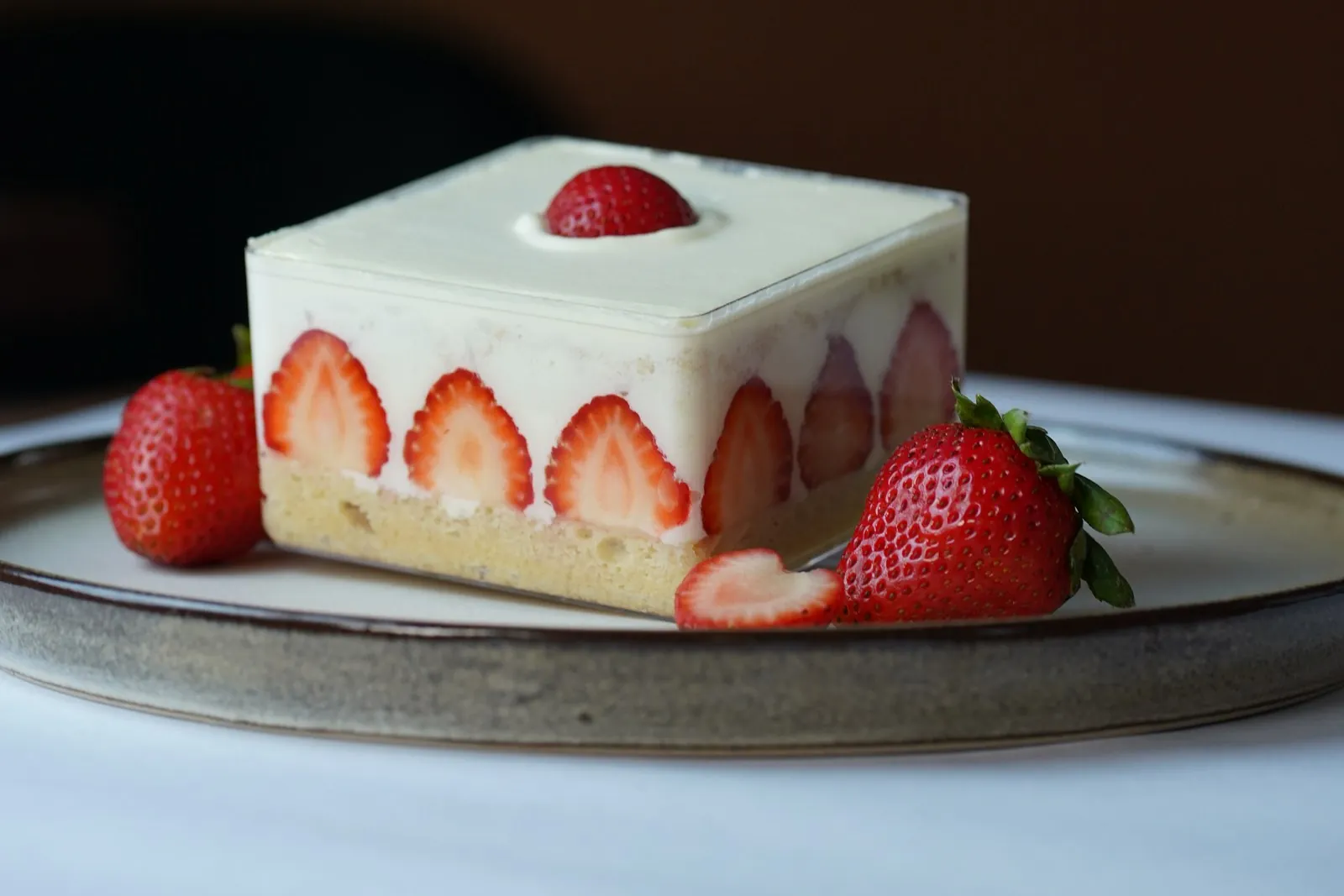
Whether you sell sauces, desserts, accessories or gadgets, customers judge your product by its photos first. The difference between average and great product images is rarely the camera. It is planning, styling and knowing exactly where each image will be used.
Start with where the photos will live
List every place your images will appear: website product pages, marketplace listings, Instagram posts and stories, ads, menus and packaging. Each has different shapes and needs.
- E-commerce and marketplaces: clean, consistent images on plain backgrounds, plus detail shots.
- Social media: lifestyle images with context, in square and vertical formats.
- Ads: bold, simple compositions with room for text.
- Menus and print: high-resolution files with consistent lighting.
Write a shot list
A shot list keeps the shoot efficient and makes sure nothing is missed. For each product, plan:
- A hero shot that shows the product at its best.
- Detail shots of texture, materials or ingredients.
- Scale shots that show size in context.
- Lifestyle shots of the product being used or enjoyed.
- Variants such as colours, flavours or sizes.
Styling: tell a small story
Props, surfaces and colours should support the product, not compete with it. For food, think about freshness and texture: a drizzle of sauce, a fork just lifted, crumbs on the plate. For retail, show the lifestyle your customer aspires to.
Light makes the product
Soft, directional light reveals texture and shape. Food often looks best with natural-looking side light, while reflective products such as jewellery and electronics need careful control to avoid harsh reflections. This is where professional equipment and experience make the biggest difference.
Plan for video too
If you are setting up a shoot, capture short video clips at the same time: pouring, unboxing, close-up turns. They are invaluable for Reels, TikTok and ads, and cost far less to capture while everything is already set up.
Food photography: keep it fresh
Food changes quickly under lights. Ice cream melts, herbs wilt and sauces lose their shine within minutes. Professional food shoots work with the kitchen to plate each dish just before it is photographed, use stand-ins while lighting is set up, and capture the hero moment fast. Small details make a big difference: steam, condensation on a cold drink, a clean plate edge.
Retail and e-commerce: consistency sells
On a product page or marketplace, customers compare your images side by side with competitors. Use the same background, angle, lighting and crop for every product in a range so the catalogue looks professional. Show what customers worry about: texture, fit, size, the inside of a bag, the back of a watch.
- Shoot every product from the same set of angles.
- Include at least one image with a person or familiar object for scale.
- Show the packaging if it is part of the experience, especially for gifts.
- Keep colours accurate to reduce returns and disappointed customers.
Retouching and delivery
Final images should be colour-corrected, cleaned up and exported in the right sizes for each platform. Ask for web-optimised versions for fast-loading pages as well as high-resolution files for print.
A shoot-day checklist
- Confirm the shot list and the final use of every image.
- Prepare products: clean, ironed, labelled and in the right quantities.
- Gather props and surfaces that match your brand colours.
- Agree who approves images on the day.
- Plan video clips to capture on the same set.
Great product images keep working for years across your website, social media, ads and print. See examples of our food and product work in the photography portfolio, or find out more about our photography service. If you are also planning a launch campaign, our guide to short-form video shows how to capture video on the same shoot.
Need a hand with this?
Photography by OXE
High-quality photography for brands, products, events, and more.
Frequently asked questions
How many photos does each product need?
For online stores, plan at least a hero shot, a few angles or details, and one lifestyle image per product.
Can I photograph products with my phone?
Phones work for quick social content. For your website, marketplaces and ads, professional photography usually gives more consistent, higher-quality results.
Should I shoot video at the same time?
Yes. Capturing short clips during a photo shoot is efficient and gives you content for social media and ads.
White background or lifestyle photos?
Both. Clean white or plain backgrounds work best for product listings and comparison, while lifestyle images build desire on social media and in ads.