 OXE Marketing Team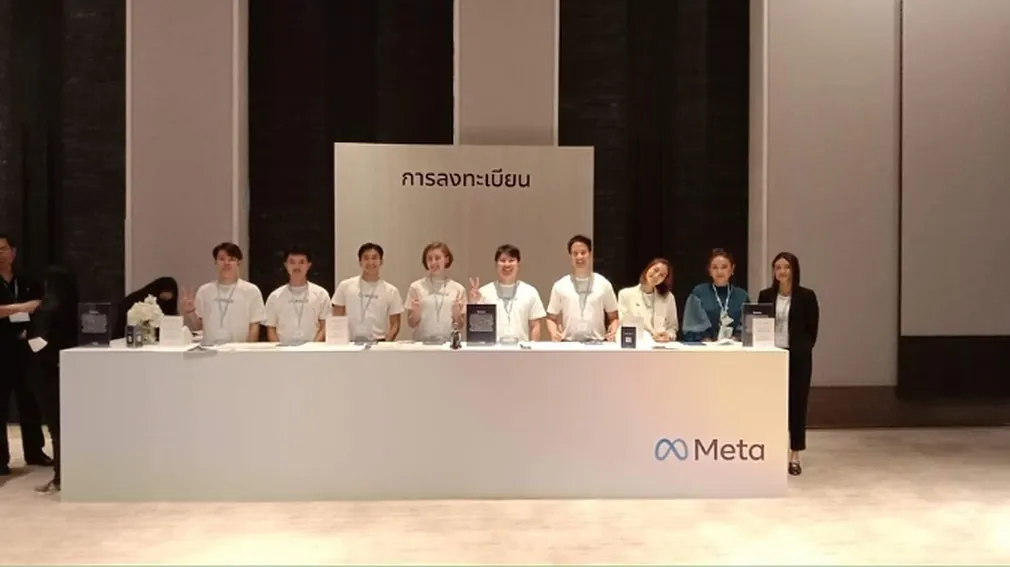
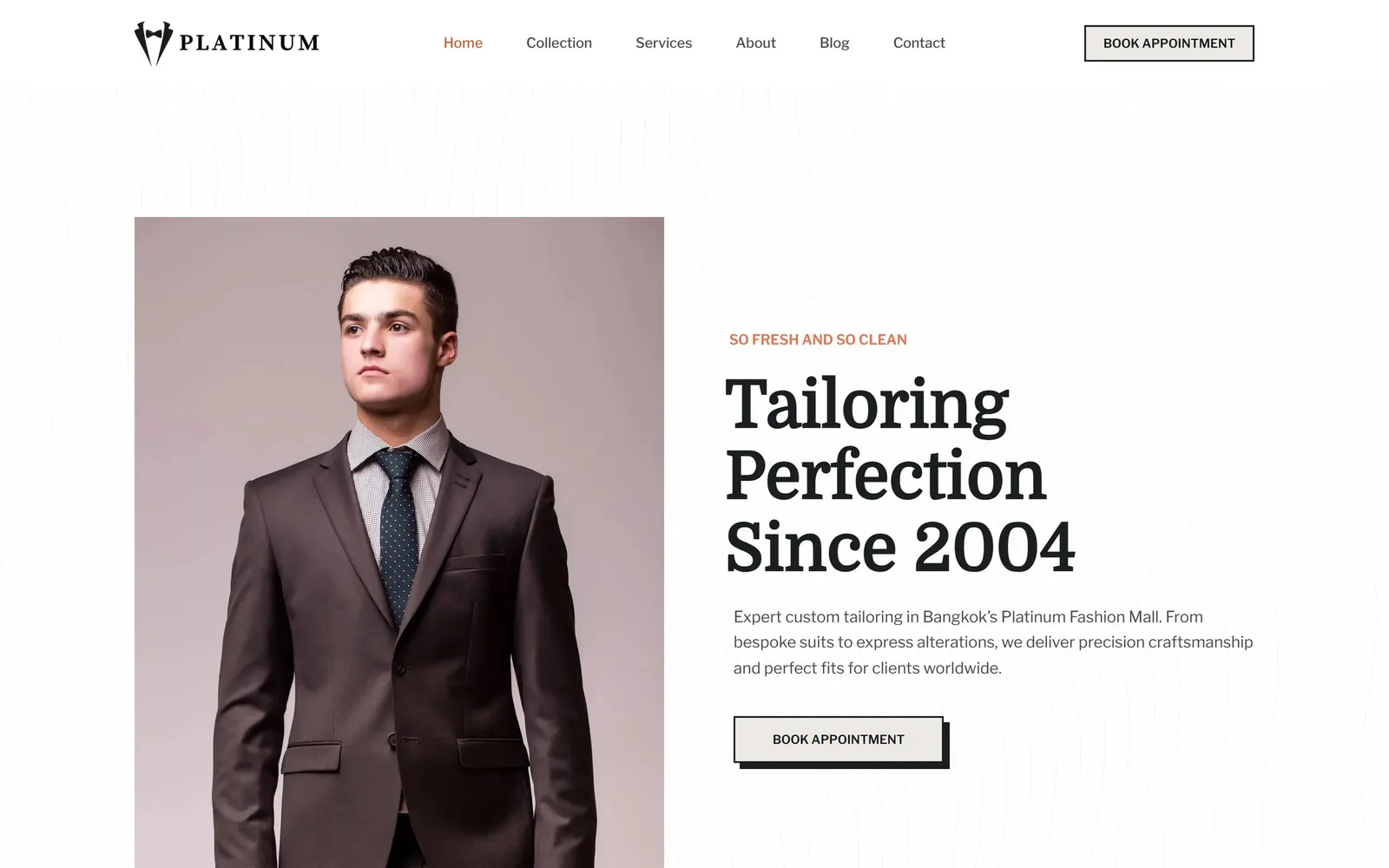
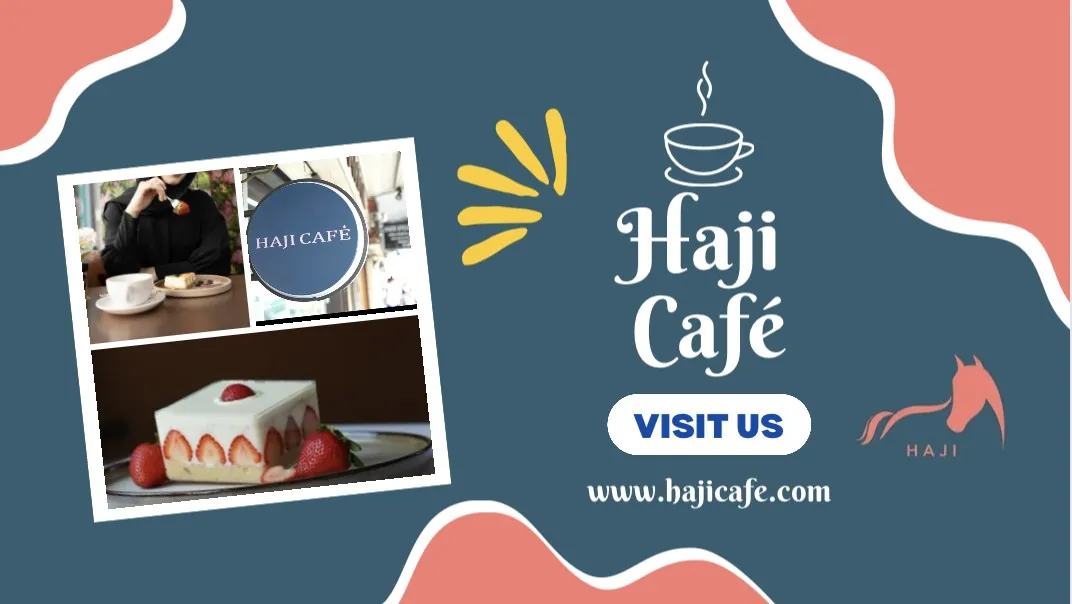
A restaurant on Sukhumvit, a tailor near a tourist hotel or a clinic serving expat families may have customers from dozens of countries alongside Thai regulars. Speaking to all of them without sounding generic is a real skill. Here is a practical playbook.
Start with audience segments, not languages
Before translating anything, define who you are talking to. Typical segments in Bangkok include:
- Thai locals: regular customers who value convenience, trust and community.
- Long-term expats: residents who want reliable, English-friendly services.
- Tourists and short-stay visitors: discovering you through maps, reviews and social media.
- Foreign businesses entering Thailand: looking for local partners who understand both sides.
Each group discovers you differently, cares about different things and uses different channels.
Translate meaning, not words
Direct translation often sounds unnatural. Good multilingual marketing adapts the message: tone, humour, cultural references and even which benefits come first. A promotion that works for Thai customers during a local festival may need a different angle for visitors.
Choose channels per audience
- Thai customers: LINE OA, Facebook, TikTok and Instagram.
- Expats: Google Search and Maps, Instagram, Facebook groups and your website.
- Tourists: Google Maps, reviews, Instagram and travel platforms.
- International businesses: LinkedIn, your website and referrals.
Visuals that travel well
Strong photography and video communicate across languages. Show real people, real places and real products. Authentic visuals of your team and space build trust with every audience at once.
Make the website bilingual properly
If you serve more than one language group, give each its own version of key pages, with a clear language switcher. This helps visitors and search engines, and avoids awkward machine translation on your most important pages.
Consistency across the whole experience
Marketing only works if the experience matches. Make sure your booking forms, menus, signage, staff greetings and follow-up messages support the languages you promote. Nothing undermines a polished English campaign faster than a confusing Thai-only checkout.
Respect cultural moments and sensitivities
Thailand's calendar is full of moments that matter to local customers, such as Songkran, Loy Krathong and Chinese New Year, while international residents also mark their own holidays. Campaigns around these moments can feel warm and relevant, but they need care. Understand what each occasion means, use imagery respectfully, and be especially thoughtful around the monarchy, religion and national symbols.
Build a team that reflects your audience
The simplest way to avoid cultural blind spots is to involve people from the cultures you are speaking to. Diverse teams notice when a joke will not land, when a colour carries the wrong meaning, or when a message sounds too formal or too casual. That is the idea behind OXE: a multicultural team in Bangkok that helps local businesses reach international customers, and international brands connect with Thai audiences.
Measure each audience separately
If you report everything as one number, you will not know which audience is growing. Use separate campaigns, landing pages or tracking links for each language group, and look at enquiries, bookings and sales by segment. You may find one audience is far more profitable than expected, and deserves more attention.
A quick multicultural checklist
- Define your main audience segments.
- Decide which languages each key page and campaign needs.
- Adapt messages culturally, not just linguistically.
- Choose the right channels for each segment.
- Invest in visuals that speak for themselves.
- Check the full customer journey in every language you offer.
- Plan campaigns around both Thai and international occasions.
- Track results separately for each audience.
Done well, multicultural marketing is not more work; it is smarter work, because every piece of content is aimed at someone specific. If you would like help building a plan, our digital strategy service starts with exactly these questions.
Need a hand with this?
Digital Strategy by OXE
Customised marketing plans that combine creativity, data, and industry insights for measurable growth.
Frequently asked questions
Do I need my whole website in two languages?
Start with the pages that matter most: home, services, pricing or menu, and contact. Expand as you see demand.
Is automatic translation good enough?
It can help for internal drafts, but customer-facing marketing should be written or reviewed by fluent speakers.
Which language should be the default?
Use the language of your largest customer group, and make switching languages easy and visible.
Should I run separate social accounts for each language?
Usually not at first. One account with bilingual captions is easier to grow. Separate accounts make sense when audiences and content become very different, such as a Thai consumer page and an English B2B page.